


Blog
Signs Your Small Engine Needs Replacement Parts

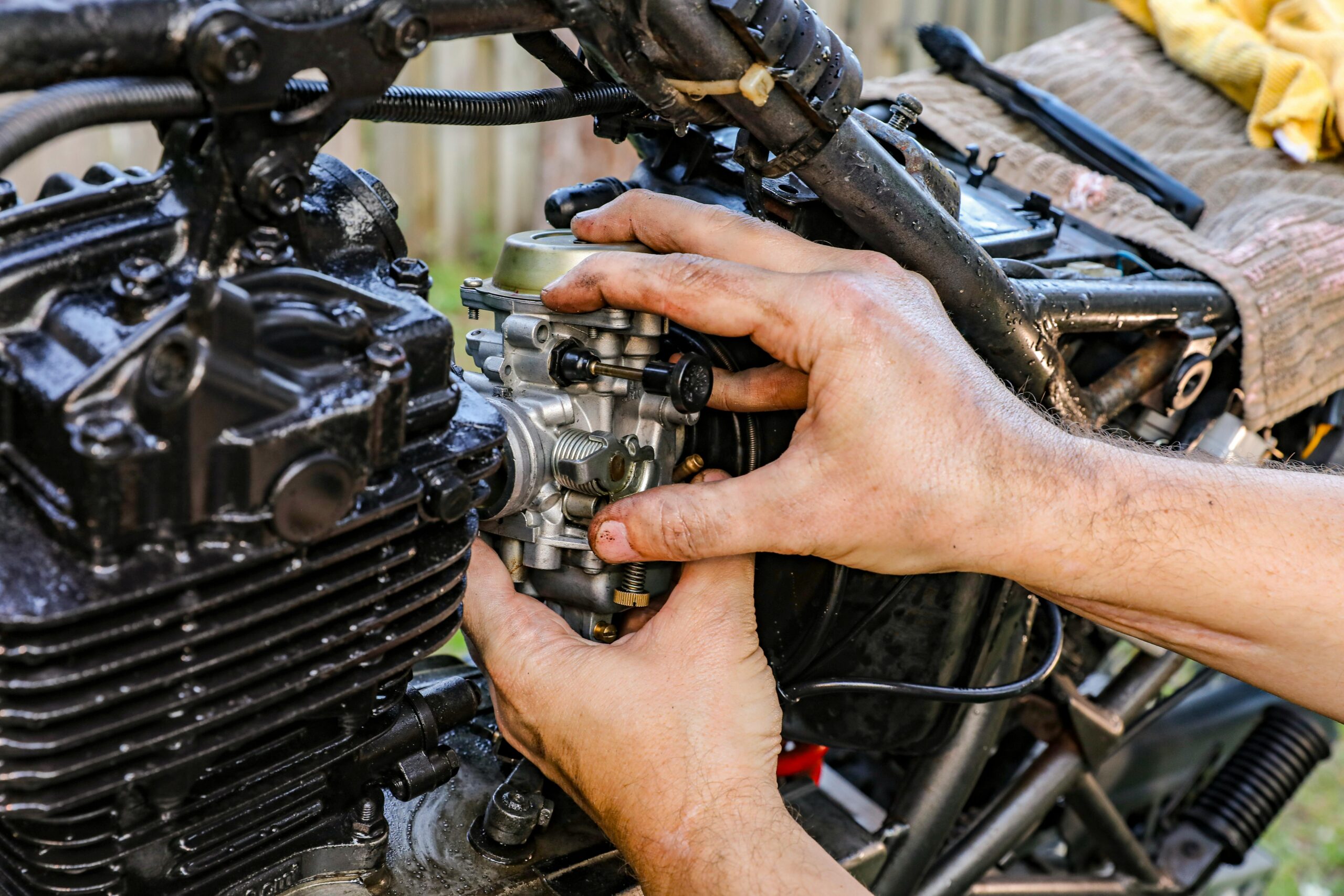
Small engines typically give warning signs that they need repairs before they break down. Knowing these signs is crucial to ensuring the engine runs properly and safely while using the equipment. Once you’ve determined what needs to be fixed, you can get replacement engine parts with Repower Pros. Replacing engine components when they are worn down will extend your equipment’s lifespan. Here are some of the most common signs that mean your engine needs replacement parts.
Difficulty Starting
If your engine doesn’t start easily or starts but dies right after, it’s a sign that a part needs replacing. Briggs & Stratton says to check the oil level, fuel level, spark plug, carburetor, valve, and compression levels first to see why the engine won’t start. In our experience, difficulty starting usually requires a new spark plug or fuel filter. A worn spark plug won’t spark enough to ignite the engine. To help you determine the parts you may need, check out our Most Common Replacement Parts for Small Engines blog.
Difficulty starting is one of the most common issues we’ve seen for a small engine, and simple maintenance usually fixes it. If your engine is dead and needs a full replacement, Repower Pros can also help out with replacing a dead engine with our engine replacement kits.
Smoke
If your engine is smoking, it needs to be repaired immediately. Thick smoke usually indicates a more serious problem, but the color of the engine’s exhaust smoke can tell you the issue:
Black Smoke
Black smoke means the engine is getting too much fuel but not enough air. This usually means you need a new carburetor air filter. If the air filter is still clean, make sure the oil level is correct, and if you need to replace the gas. You may also need a carburetor rebuild kit if everything else is working.
Blue or White Smoke
Blue or white smoke means that the engine is burning motor oil. White smoke can also indicate a blown head gasket or cracked cylinder head. These issues need to be fixed immediately, as burning oil can lead to more engine damage. You’ll usually need to replace the piston ring, valve seal, or crankcase to fix this issue.
If the engine doesn’t stop smoking after making repairs, you may need to do a full engine replacement.
Loss of Power
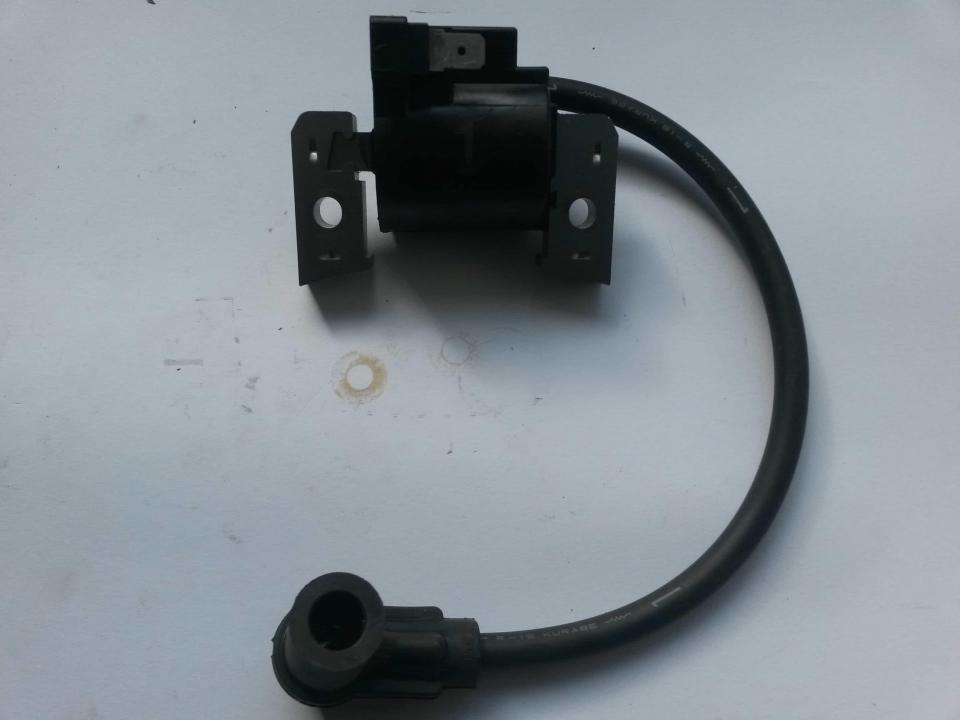
If the engine loses power or is not working to its full potential, then it might not be combusting fuel properly. This is usually caused by internal wear and tear and can usually be fixed with some simple maintenance. We recommend performing a compression test to assess internal wear, as when the engine loses compression, power is reduced. A PSI reading should be around 90-100, but if it’s 70 or under, then the engine needs replacement parts. Usually, a new air filter will fix this, but you could also need a new ignition coil, drive belt, piston rings, or valves.
Rattling Sounds
Changes in how the engine sounds and vibrates can indicate failing parts. Sounds from the upper engine can indicate issues with the valve train, rocker arms, or push rod. Middle engine sounds can indicate piston or connecting rod issues. Sounds from the lower engine can indicate issues with the crankshaft or bearings. The first thing you should do is inspect for any loose parts that need fixing, but the sounds the engine is making can help you determine what specifically needs repairs:
Knocking: Indicates a loose connecting rod.
High-Pitched Noises: Indicate a damaged or misaligned drive belt.
Grinding: Means a worn-out bearing or damaged flywheel.
Vibrations: Can be a worn-out engine mount or other internal component issues.
Decreased Fuel Efficiency
If you notice that you need more gas more often, or that the engine is decreasing in performance, then the components are working inefficiently. Decreased fuel efficiency can usually mean a variety of things:
- Dirty air filter
- Carburetor running rich
- Choke partially stuck
- Engine wear
- Heavy load
- Fuel leaks
- Bad spark plugs
But it can also be a sign of complete engine wear. When the engine is too old and still uses fuel inefficiently, then it might be time to replace the full engine with one of our replacement kits. For more information on our engine kits, check out our Guide to Our Engine Replacement Kits blog.
Leaks
Failing engines can leak, leading to inefficient fuel use. If you notice oil or gas pooling under your equipment, then you may have a leak in the engine. This could be caused by failed gaskets, degraded fuel lines, damaged drain plugs, or worn valve covers. Leaks can quickly turn into larger issues, so make sure to repair these as soon as possible.
Fix Your Engines with Repower Pros
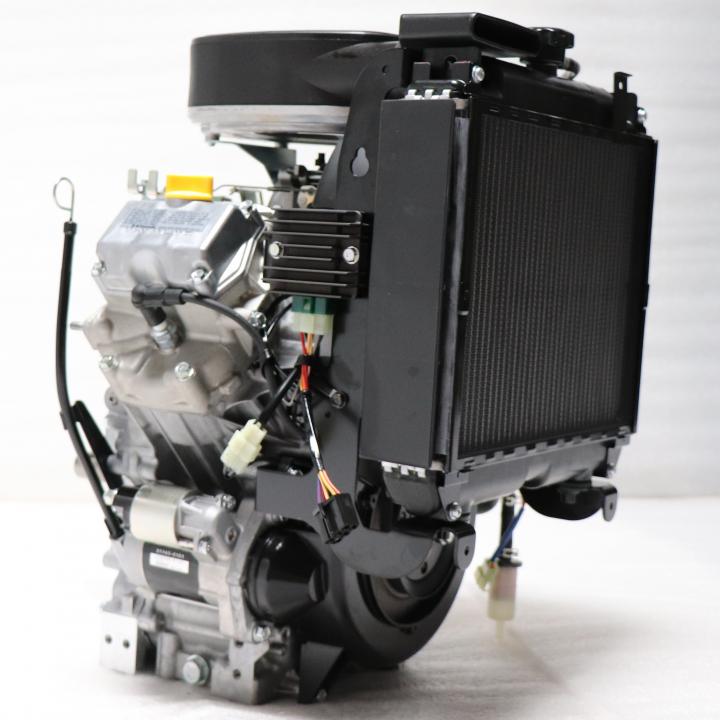
The best way to prevent engine issues from occurring is with regular maintenance. Replacing engine components or doing a complete engine rebuild will help extend your equipment’s lifespan and protect your investment. Get all the engine replacement parts you need with Repower Pros. We have a large inventory of parts, rebuild kits, and replacement engines for all major engine brands. If you’re ready to get started, contact us today.